How to Set Up Your First Copygram Room
Education
Connect an account, choose a source and configure your first Copygram Room. Follow a demo checklist, verify receiver settings and troubleshoot using Signal Logs.
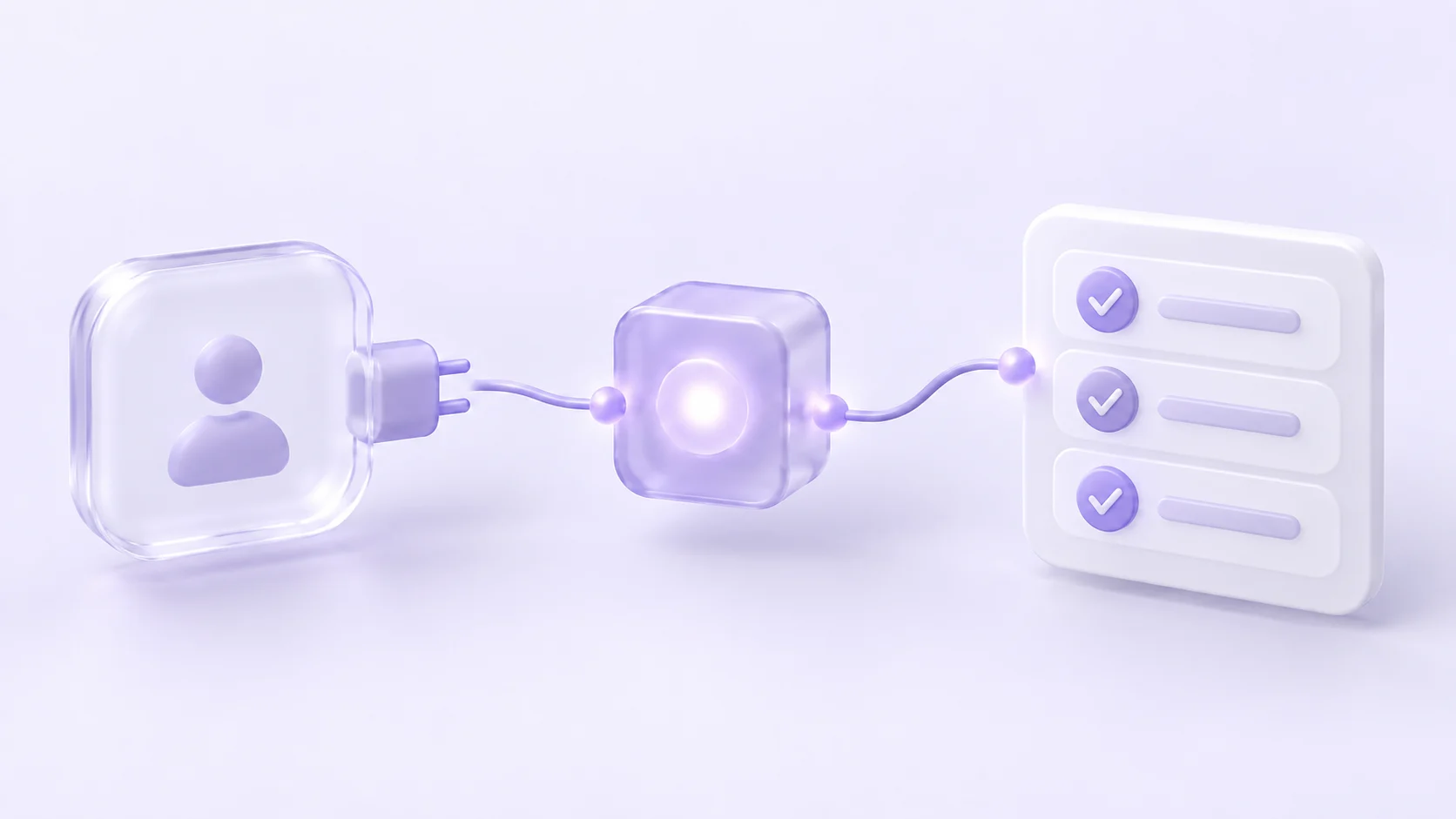
A Copygram Room connects one signal source to one or more receiving trading accounts. To set up your first Room, connect the accounts, select the source, add the intended receivers and configure each receiver before activation. Then verify an entry and its later updates in a permitted demo workflow.
This guide covers the initial setup. Use the integration directory to check your exact source-to-destination route, and review the current plans for the connections you need.
Before you begin
Identify the source: a trading account, Telegram channel, webhook, Live Chart or AI Agent workflow.
Choose the receiving platform and confirm the provider permits your intended copying setup.
Gather the connection details required for that platform. Do not put passwords or API keys into account names or support screenshots.
Check the plan’s account and connector allowances against the complete workflow.
Use appropriate demo accounts for initial checks where the route and provider support them.
A connected account and a configured Room are different things. The account provides a platform connection; the Room determines which source reaches which receivers. One Room has exactly one source.
Step 1: Connect the trading accounts
Open Accounts and add the required trading accounts. Select the actual platform type and follow its connection form. For hosted MT4/MT5, the documented fields are Account Name, Login ID, Password and Server. Keep each account’s login and exact broker server together.
Source and receiver access serve different purposes. A source observes activity; a receiver needs trading permission. Copygram’s MT5 guide recommends investor access for a read-only source. MetaTrader confirms that investor access cannot place trades, so it is not sufficient for a receiving account that needs to execute orders.
For hosted MetaTrader connections, Copygram runs the connection infrastructure. You do not need your own always-on terminal or VPS for that connection. This does not run an unrelated strategy EA on your local computer for you. See the platform connection notes for your destination’s requirements.
Step 2: Create a Room and select one source
Open Rooms, create a Room and give it a recognisable name. Select its signal source. A useful first name describes the source and purpose, such as “Demo MT5 source,” without including account credentials.
Source type | What to prepare |
|---|---|
Trading platform account | The supported connected account whose activity should be copied |
Telegram | Your Telegram connection and the specific accessible source channel |
Webhook | The connector URL and alert payload for that workflow |
Live Chart | A Room configured for instructions you enter through Copygram’s chart |
AI Agent | An AI Agent source and an authorised assistant connection |
For your first setup, choose one source and one receiver so the results are easy to trace. Add another source in a separate Room. Read the detailed signal-source guide before activating an unfamiliar source type.
Step 3: Add and configure the receiver
Add the account that should receive this Room’s instructions. Open that receiver’s settings; each receiver has its own configuration even when several share the same source.
Control | Initial check |
|---|---|
Money Management | Choose the intended mode and value; verify the resulting quantity. |
Symbol Lot Exceptions | Check for symbol-specific values that override general sizing. |
Symbol Matching and prefixes/suffixes | Match the source name to the receiver’s exact instrument. |
SL/TP handling | Decide how to handle provided levels and instructions missing levels. |
Copy Close Orders / Copy Modif Orders | Decide whether later source actions should be followed. |
Symbol Filters and Trading Schedule | Confirm which instruments and times are eligible. |
Source-specific options | Review Telegram entry mode, ignore words or other applicable controls. |
These are configuration controls, not a guarantee of a maximum loss or an accepted order. The platform can reject an instruction because of volume, margin, trading hours or other account conditions. Use the receiver settings reference for the available options.
Step 4: Activate and verify a demo workflow
Review the selected source and receiver, then activate the Room when you are ready to test. Activation can allow incoming instructions to execute; check the source before pressing Play.
Send one permitted test instruction from the selected source.
Open the Room’s Signal Logs and locate that instruction.
Check its parsed symbol, action, quantity and receiver result.
Compare the log with the actual order in the receiving platform, including SL and TP where applicable.
Test a supported modification and close if your workflow depends on them. For Telegram, use the documented reply context.
Record any rejection or difference and resolve it before adding more receivers.
A visible source message is not proof that a receiving account traded. Equally, a successful entry does not establish that later modifications or closes behave as intended. Check the full lifecycle you plan to use.
Step 5: Diagnose the stage that differs
Observation | Start here |
|---|---|
No source instruction in the Room | Selected source, connector/account status and Room activation |
Instruction logged but skipped | Receiver filters, schedule, validation setting and recorded reason |
Platform rejects an order | Exact platform error, permissions and instrument specifications |
Different quantity or instrument | Receiver sizing, exceptions, symbol mapping and suffix settings |
Later close or change missing | Source context, close/modify control and the receiver result |
Use Signal Logs with the receiving platform’s record. If you need help, send Copygram support the relevant Room, time, source reference and error text with private credentials removed.
First-room questions
Does pausing a Room close existing trades?
Do not treat pausing as proof that positions have been liquidated. Check and manage existing positions in the receiving platform. Pause is a control for the copying workflow; verify the account’s actual state separately.
Can I add more receivers later?
Yes, within your plan’s account allowance. Configure and verify each receiver independently instead of assuming the first receiver’s symbols and quantities suit every account.
Do I need a trading account as the sender for Telegram?
No. In that workflow, the Telegram channel is the source and the trading accounts are receivers. Use the multiple-channel guide when organising more than one channel.
Where are the exact MT4-to-MT5 steps?
Follow the MT4/MT5 copying tutorial for the source direction, broker symbols and receiver checks.
Build your first Room
Choose your supported route, compare the current plans, then open Copygram to connect the accounts and configure the Room. Keep the first test simple enough to explain every instruction and receiver result.

Julian Vance
Julian Vance is an independent writer and quantitative strategist. He writes about trading automation and account-management workflows for Copygram.
Join our newsletter list
Sign up to get the most recent blog articles in your email every week.
Keep learning
More setup guides



Your next step
Find your Copygram workflow
Choose a source, review its supported destinations and follow the connection steps.