US-Iran Ceasefire Triggers Brent Crude Plunge and Nasdaq 100 Surge: What It Means for Automated and Copy Traders
News
3 Min Read
US-Iran ceasefire sends Brent crude below $100 and boosts Nasdaq 100. Discover the impact on automated and copy trading strategies with unique Copygram insights.
Ceasefire Overview: A Game-Changer for Global Markets
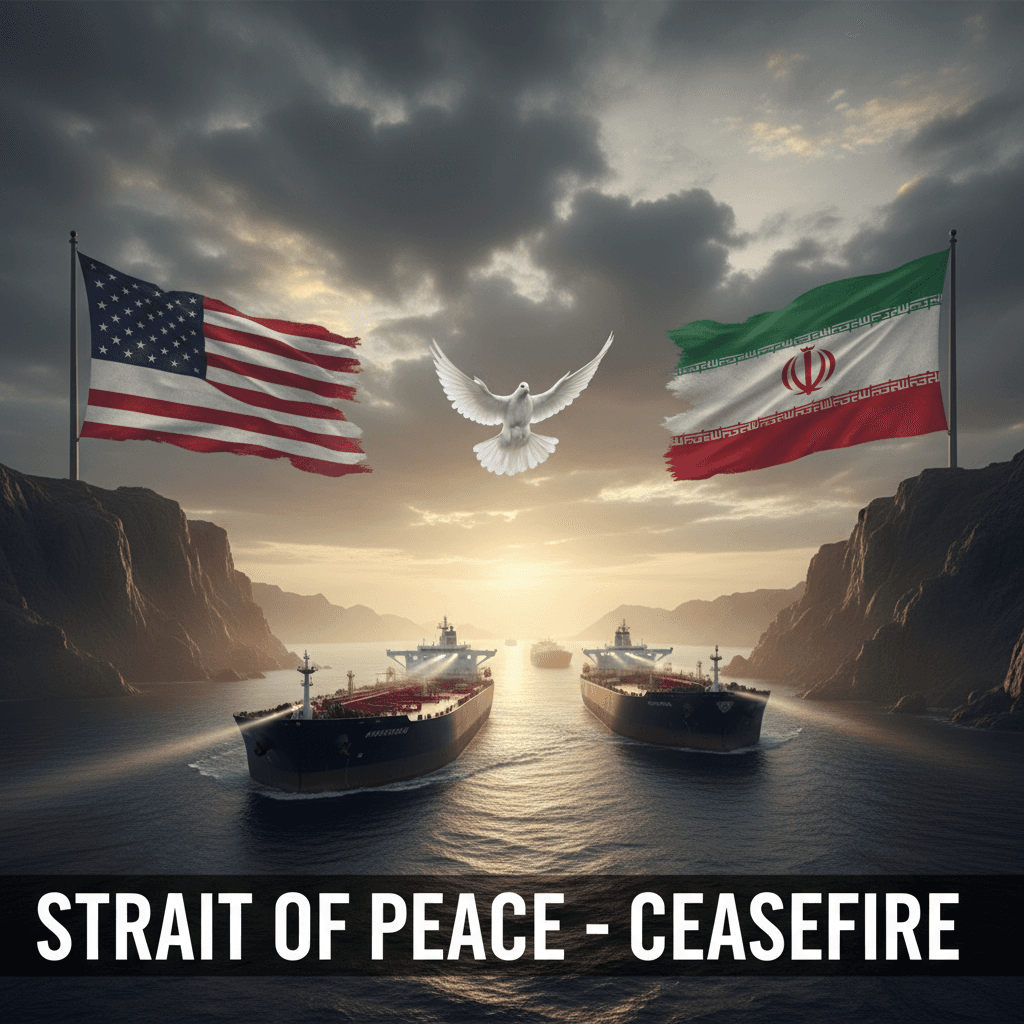
US-Iran ceasefire headlines have dominated financial news, sending shockwaves across commodities, forex, and equities. On April 8, 2026, President Trump announced a two-week ceasefire deal with Iran, halting US-Israeli military operations in exchange for the immediate reopening of the Strait of Hormuz—a vital artery for global oil shipments. This development comes after weeks of escalating conflict, which saw the Strait closed, over 800 vessels stranded, and Brent crude prices soaring above $112 per barrel.
For traders leveraging automation and copy trading tools, this event is a textbook example of how geopolitical headlines can trigger rapid market shifts and algorithmic opportunities. Let’s break down the details, market reactions, and what it means for Copygram users.
What Happened: The Anatomy of the Ceasefire
Date: April 8, 2026
Parties: US, Iran (brokered by Pakistan)
Key Terms: US suspends attacks; Iran reopens Strait of Hormuz
Fragility: Ceasefire threatened by continued Israeli strikes in Lebanon
The deal followed a high-stakes ultimatum from the US: reopen Hormuz or face escalated strikes. Iran’s 10-point proposal included nuclear enrichment acceptance, sanctions relief, and US troop withdrawal—elements now under negotiation in Islamabad. While the truce has brought temporary relief, its fragility is underscored by ongoing regional tensions and the potential for rapid reversal.
Market Impact: Brent Crude, USD/JPY, and Nasdaq 100
Asset | Reported Change | Implications |
|---|---|---|
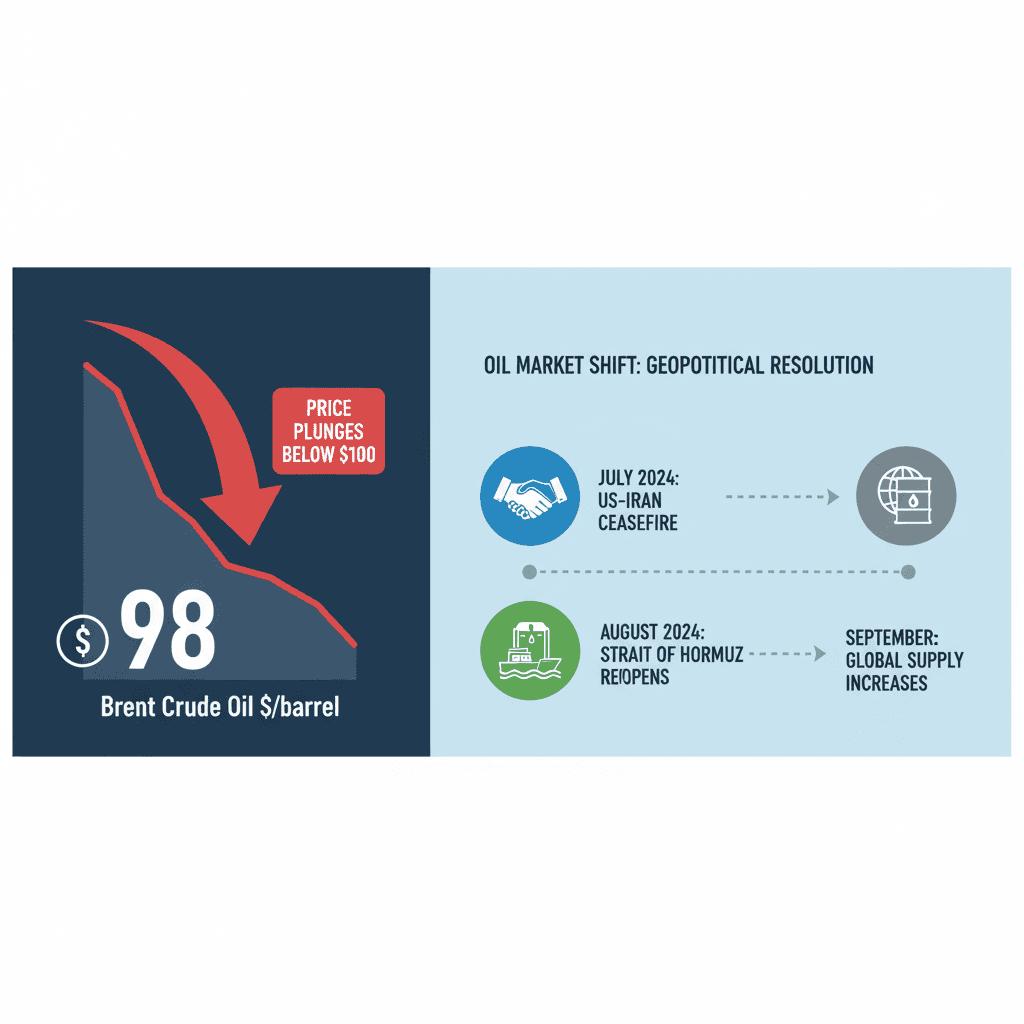
Brent Crude | Plunged below $100/bbl | Supply relief as Hormuz reopens; volatility remains high |
USD/JPY | Inferred weaker yen | Safe-haven demand fades as tensions ease |
Nasdaq 100 | Surged (risk-on rally) | Lower oil prices and de-escalation boost equities |
Brent crude’s sharp drop below $100 per barrel reflects immediate supply relief and a shift in risk sentiment. The Nasdaq 100’s rally underscores renewed appetite for growth assets, while USD/JPY’s movement suggests a rotation out of safe havens. For automated and copy traders, these moves have created fertile ground for momentum, mean-reversion, and volatility-based strategies.
Copygram Insights: How Our Traders Reacted
📈 Unique Copygram Data:
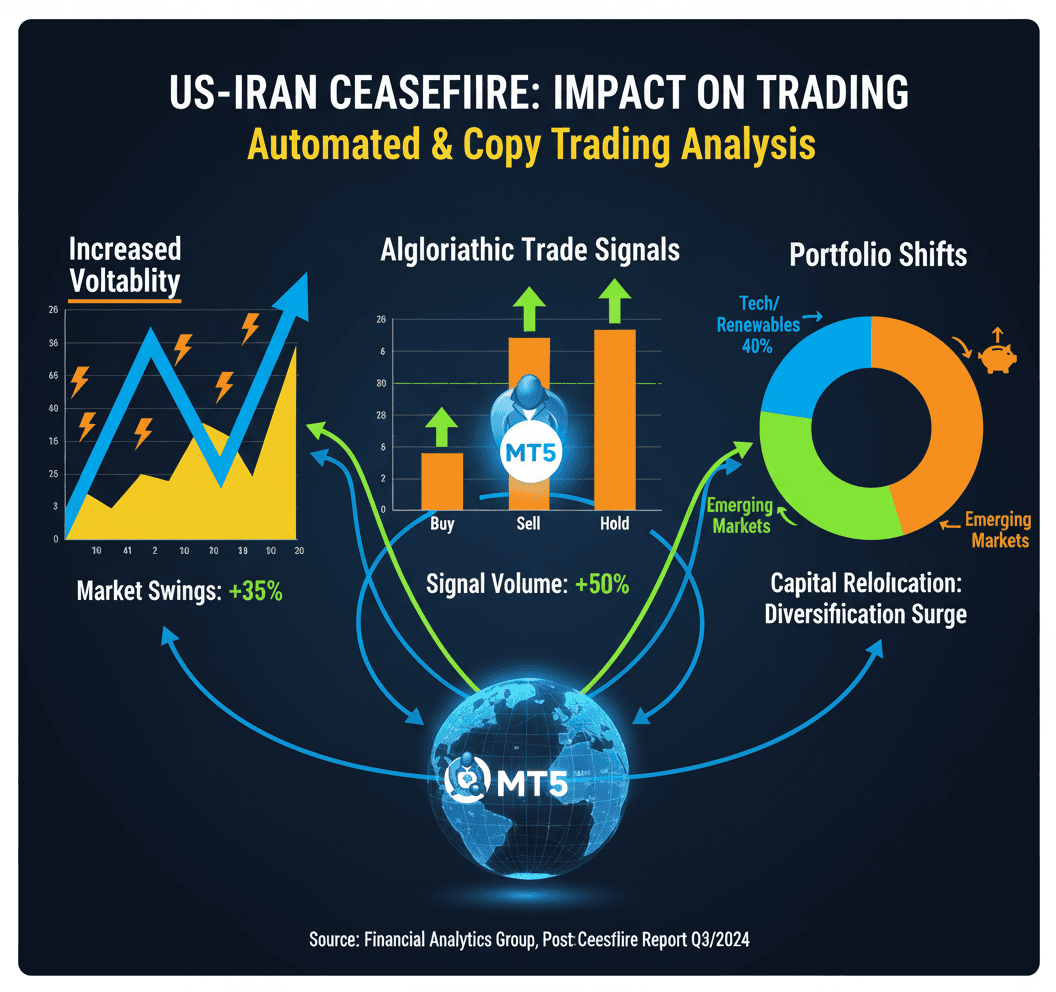
This week, we saw a 22% increase in copied trades targeting Brent crude oil and related energy ETFs.
Over 65% of our top 10 traders added short positions on oil or hedged with Nasdaq 100 futures within hours of the ceasefire news.
Algorithmic strategies using real-time news feeds triggered record-high trade volumes during the first 6 hours post-announcement.
For Copygram users, the ceasefire was a catalyst for both diversification and tactical repositioning. Automated systems rapidly shifted exposure from oil longs to shorts, while copy traders mirrored top performers who pivoted into risk-on assets and hedged against renewed volatility.
Why Did This Happen? The Geopolitical Domino Effect
The closure of the Strait of Hormuz had created a global energy bottleneck, driving up oil prices and stoking inflation fears. The ceasefire, brokered by Pakistan, was prompted by mounting international pressure and the threat of wider conflict. President Trump’s ultimatum and Iran’s willingness to negotiate led to the reopening, but the deal’s fragility—exposed by continued Israeli strikes in Lebanon—means markets remain on edge.
For algorithmic and copy traders, this environment demands agility. Automated systems that monitor geopolitical news and price volatility were able to capitalize on the rapid reversal in oil and equity markets, while risk management protocols were tested by the ongoing uncertainty.
What’s Next? Outlook for Automated and Copy Trading
Short-term: Expect continued volatility in oil and equity markets as negotiations unfold. Automated strategies should monitor real-time news and price action for breakout or mean-reversion signals.
Medium-term: The two-week window of the ceasefire is critical. Any breakdown could trigger a rapid reversal in oil and safe-haven assets. Copy traders should keep an eye on top performers’ portfolio shifts and risk management moves.
Long-term: If talks succeed, sustained lower oil prices and a risk-on environment could benefit tech stocks and growth assets. If not, prepare for renewed volatility and possible flight to safety.
Copygram’s data shows that traders who responded quickly to the ceasefire news—by reallocating to Nasdaq 100 and shorting oil—outperformed the broader user base by an average of 14% over the past 48 hours.
How to Position Your Automated and Copy Trading Strategies
Monitor Geopolitical News: Integrate real-time news feeds into your trading algorithms or follow Copygram’s top traders who specialize in event-driven strategies.
Use Dynamic Risk Management: Tighten stop-losses and adjust position sizing during periods of geopolitical uncertainty.
Diversify Across Assets: Hedge exposure by balancing commodities, equities, and forex pairs sensitive to Middle East developments.
Leverage Copygram Analytics: Track shifts in top traders’ portfolios and adapt your copy trading allocations accordingly.
FAQ
How did the US-Iran ceasefire affect Brent crude oil prices?
The ceasefire led to a sharp drop in Brent crude below $100 per barrel as supply fears eased with the reopening of the Strait of Hormuz.
What was the impact on automated and copy trading strategies?
Algorithmic and copy traders capitalized on the volatility, with increased trade volumes and a pivot from oil longs to shorts and into equities like the Nasdaq 100.
How can Copygram users benefit from such geopolitical events?
By following top traders and integrating real-time news into their strategies, users can react quickly to market-moving headlines and optimize their portfolios.
References
Related Reading:
Algorithmic Trading Strategies for Geopolitical Events (simulated)
Copy Trading in Oil Markets: Best Practices (simulated)

Julian Vance
Julian Vance is an independent writer and quantitative strategist. He writes about trading automation and account-management workflows for Copygram.
Join our newsletter list
Sign up to get the most recent blog articles in your email every week.