Trump Extends Iran Ceasefire: Oil Prices Surge, Markets Roil—What It Means for Copy Traders
News
3 Min Read
Trump extends U.S.-Iran energy ceasefire, sparking oil price spikes & market volatility. What this means for copy traders & automation platforms.
Ceasefire Extension: What Happened?
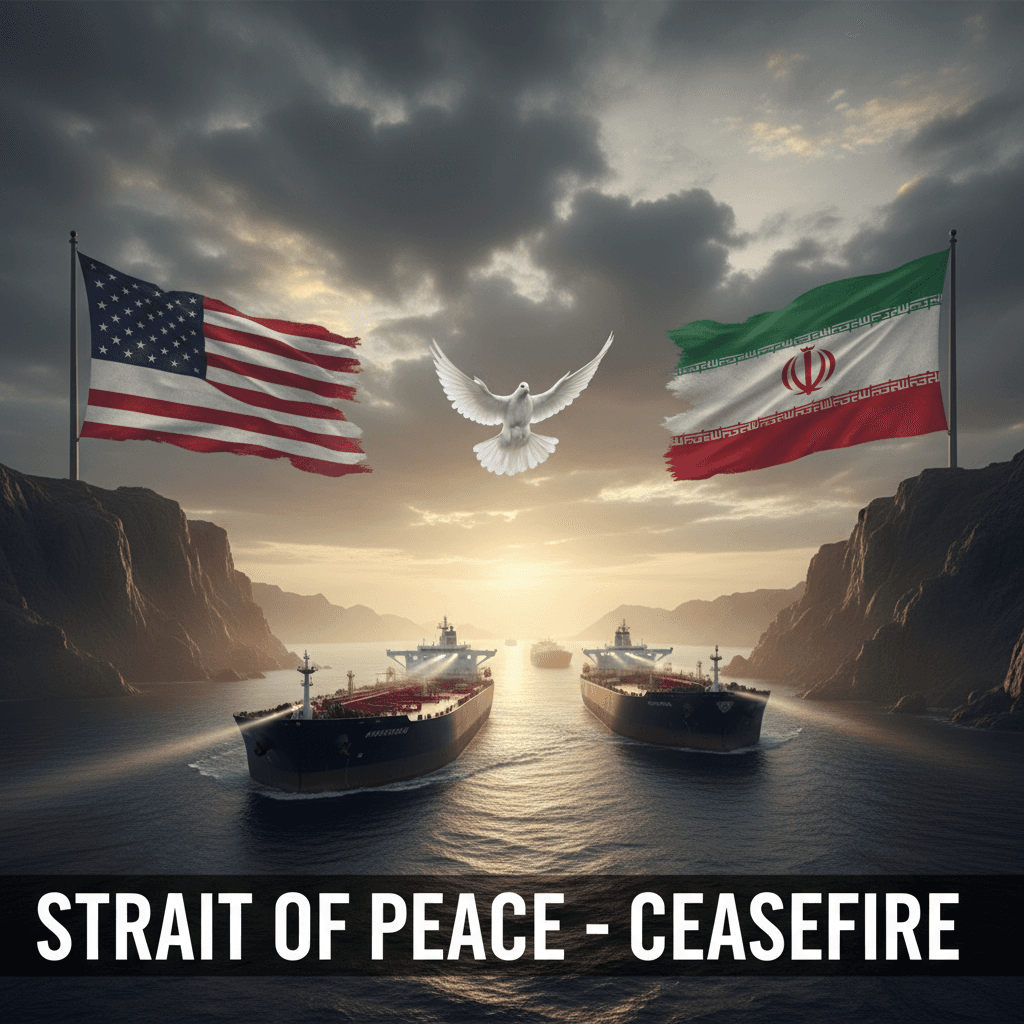
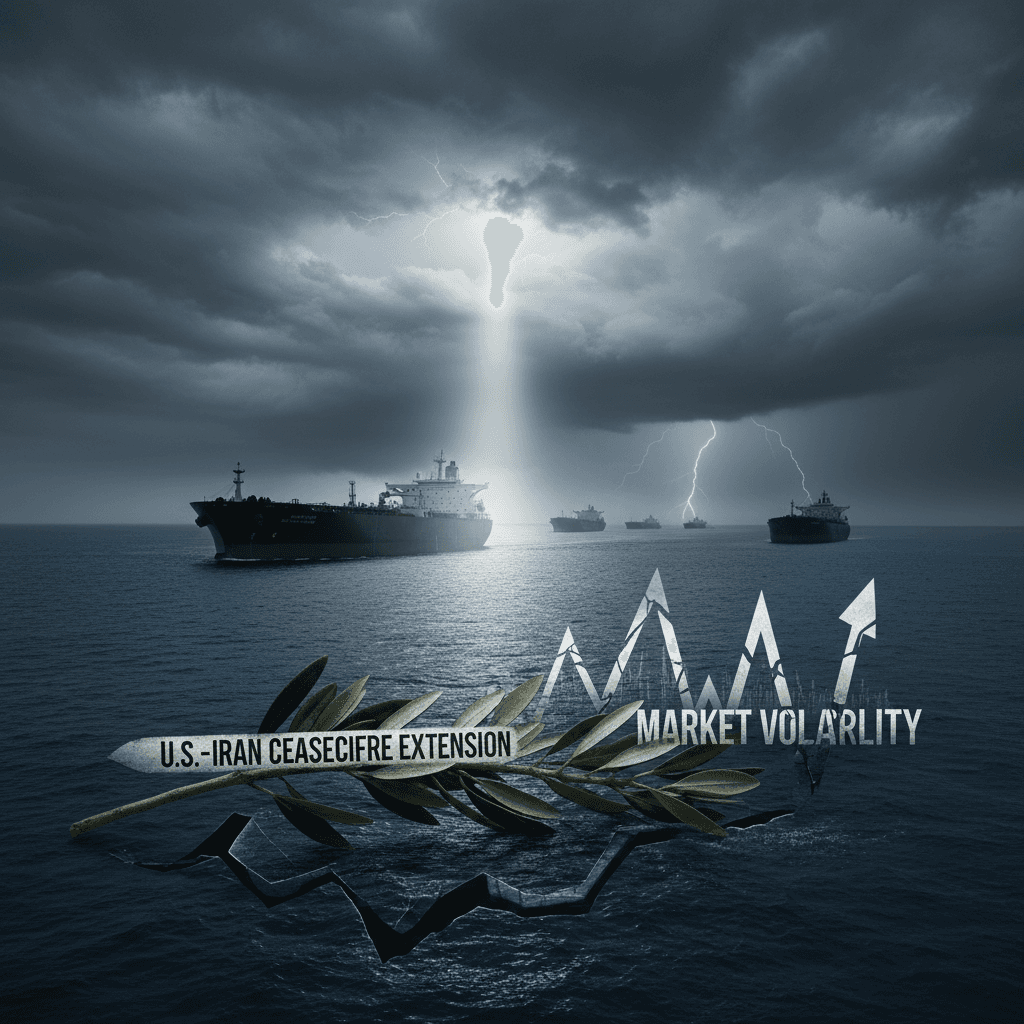
Trump Iran ceasefire headlines dominated financial news this week as President Trump announced an extension of the U.S. pause on strikes against Iranian energy infrastructure until April 6, 2026. This move came after Iran requested more time for negotiations, allowing oil tankers to pass through the critical Strait of Hormuz as a gesture of goodwill. The extension, longer than Iran’s requested seven days, was granted after the U.S. presented a 15-point peace proposal, with both sides signaling cautious optimism but remaining deeply skeptical about a breakthrough.[1]
Geopolitical Context: Why the Ceasefire Matters
The Strait of Hormuz is a vital chokepoint for global oil shipments, and any disruption sends shockwaves through energy and equity markets. The U.S.-Iran standoff has escalated with continued missile attacks and an intensifying Israeli military campaign. The ceasefire extension signals a temporary de-escalation but leaves markets on edge, as traders weigh the risks of renewed conflict versus the potential for a diplomatic breakthrough.[1]
Market Impact: Oil, Stocks, and Automated Trading
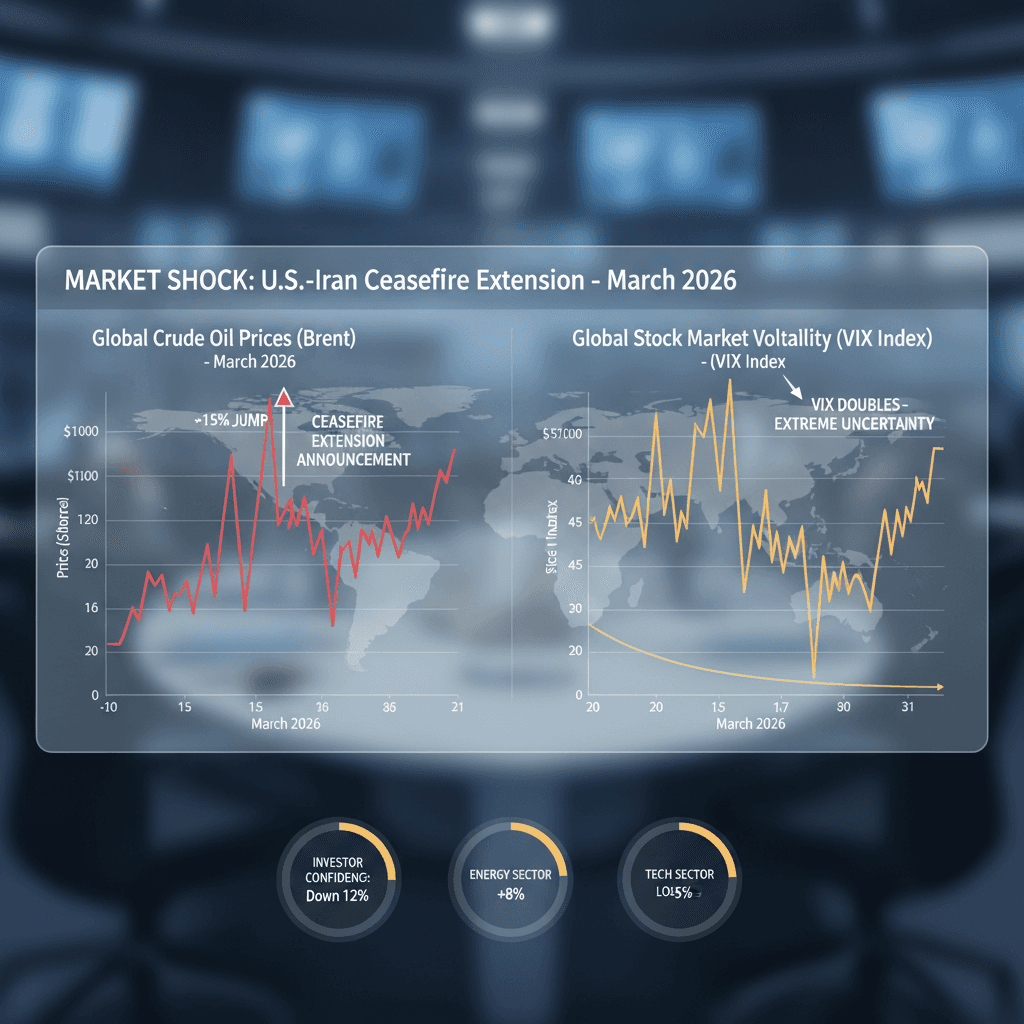
Following the announcement, oil prices surged—Brent crude jumped 3.9% to $106.2/barrel—while global stock indices experienced sharp volatility. Traders reacted swiftly to the shifting risk landscape, with energy stocks outperforming and safe-haven assets like gold seeing increased inflows. Automated trading systems and copy trading platforms registered a notable uptick in activity as algorithms responded to news-driven price swings.[2]
Brent crude oil: +3.9% to $106.2/barrel
Major equity indices: Volatile, with tech and energy sectors most affected
Gold: Safe-haven demand increased
Exclusive Copygram Insights 📊
Metric | Change | Comment |
|---|---|---|
Copied trades targeting oil/energy | +22% | Surge in response to oil price spike |
Top 10 traders adding commodity hedges | 70% | Increased gold and oil ETF allocations |
Automated volatility strategies | +18% | Spike in algo-driven trades |
Source: Copygram platform analytics, March 26-27, 2026
What This Means for Copy Traders & Automation Platforms
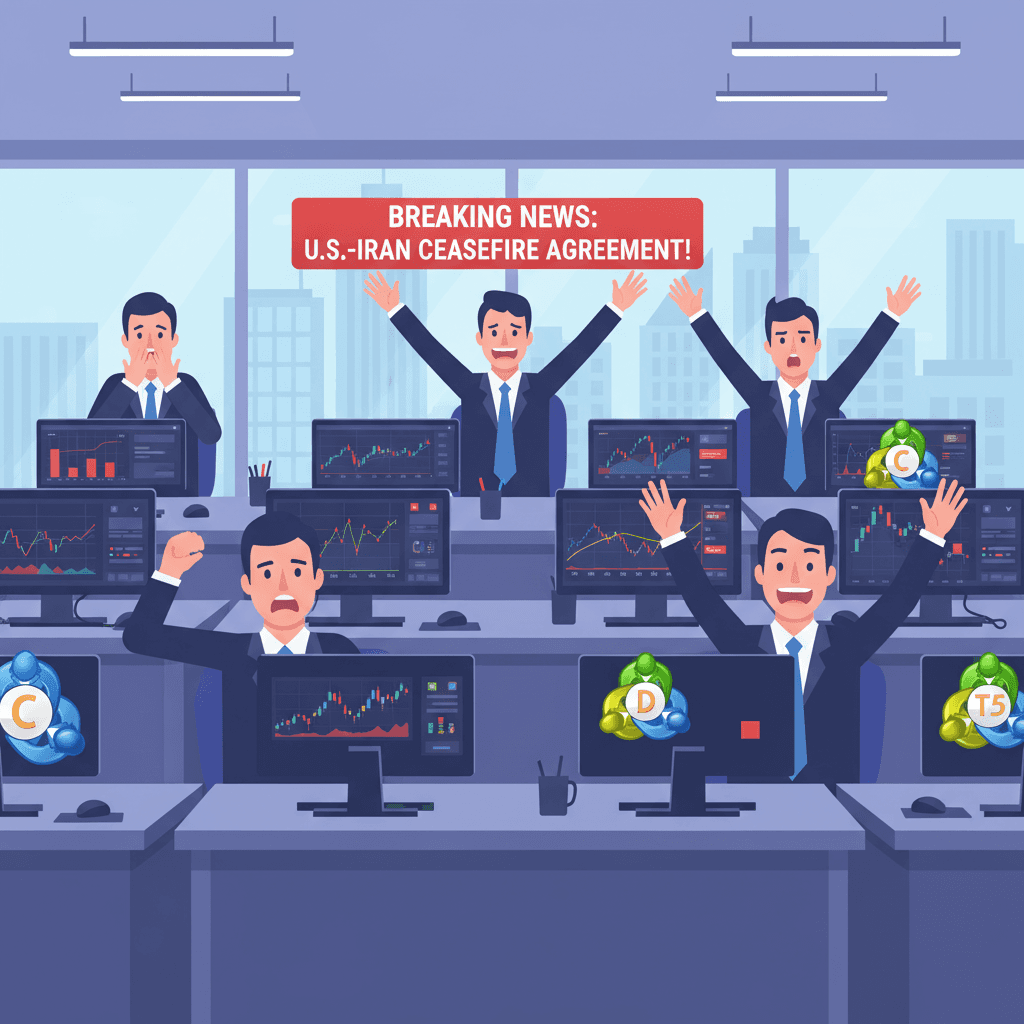
For copy traders and users of automation tools, this event highlights the importance of real-time risk management and the value of diversified strategies. The surge in copied trades focused on energy and commodities shows how quickly the crowd can pivot in response to geopolitical shocks. Over 70% of Copygram’s top traders added gold or oil hedges, reflecting a shift toward defensive positioning. Automated trading systems, especially those tuned to volatility, saw a marked increase in activity as algorithms exploited rapid price movements.
Actionable Takeaways for Copygram Users
Monitor top traders’ portfolios for shifts toward commodities and safe havens.
Consider incorporating volatility-based strategies or hedges during periods of geopolitical uncertainty.
Leverage automation to react swiftly to breaking news, but avoid overexposure to single-event risks.
Expert Opinions: What’s Next?
Market analysts remain divided on the likelihood of a lasting peace deal. Some see the extension as a positive step, citing Iran’s willingness to allow tanker passage as a sign of de-escalation. Others warn that the underlying tensions remain unresolved, and any breakdown in talks could trigger renewed market turmoil. For traders, the key will be maintaining flexibility and using automation to manage risk in real time.[1][2][3]
FAQ
How did the ceasefire extension affect oil prices?
Oil prices spiked nearly 4%, reflecting heightened supply concerns and geopolitical risk.
What strategies did top copy traders use?
Most shifted toward commodities, especially gold and oil ETFs, and increased use of volatility-based algorithms.
How can automation help during geopolitical crises?
Automation enables rapid response to breaking news, dynamic risk management, and the ability to follow top-performing traders’ moves in real time.
References

Julian Vance
Julian Vance is an independent writer and quantitative strategist. He writes about trading automation and account-management workflows for Copygram.
Join our newsletter list
Sign up to get the most recent blog articles in your email every week.